
Comparison between the virtual economy of Roblox and other online gaming platforms
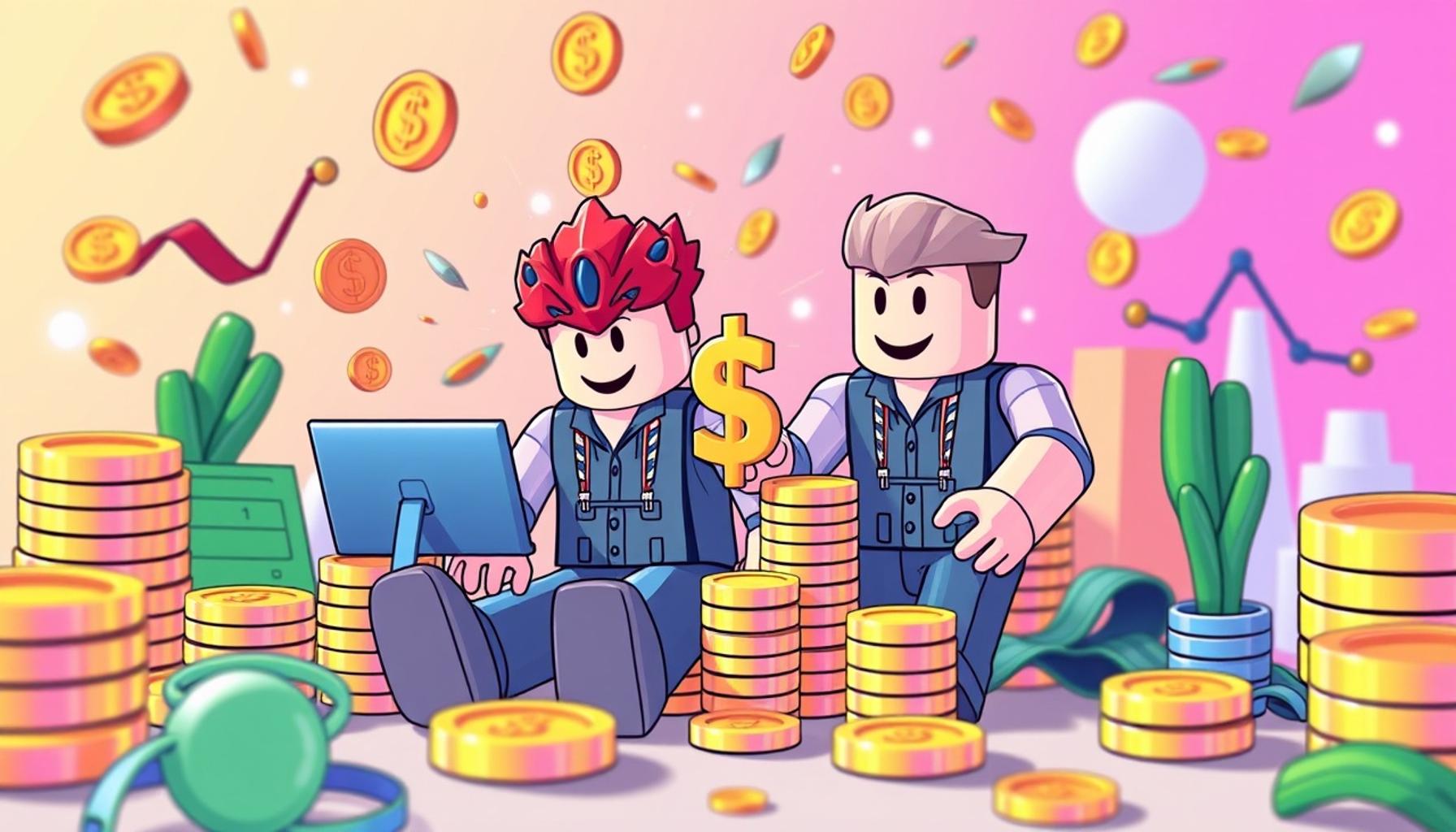
Understanding Virtual Economies in Gaming
The rise of online gaming has transformed how players interact with digital worlds, creating immersive experiences that are not just about gameplay, but also about financial strategy within these environments. One key component contributing to this new landscape is the **virtual economy**. Each gaming platform boasts its unique setup, which significantly influences how players earn, spend, and trade their in-game currencies.
Focusing on **Roblox**, we see a distinct and thriving virtual economy that sets itself apart from other gaming platforms. Here are some notable aspects that characterize its economic framework:
- Robux: The primary currency in Roblox, Robux enables users to purchase a plethora of in-game items, such as clothing for their avatars, virtual tools, and even access to premium games. Players can earn Robux through gameplay or purchase it with real money, allowing for a fluid financial exchange that adds depth to the gaming experience.
- User-generated content: A significant aspect of Roblox’s economy is the emphasis on user-generated content, wherein players can develop and monetize their own games. This not only fosters creativity but also creates genuine revenue streams for developers, encouraging a varied ecosystem of gaming experiences. For instance, some players have turned their game creations into profitable ventures, demonstrating the tangible economic potential available to innovative users.
- Developer exchange program: Roblox takes its economic structure a step further with its Developer Exchange Program (DevEx), which allows developers to convert their earned Robux into real-world currency. This program has spurred a new generation of aspiring game developers, who can potentially earn significant income based on the popularity and quality of their games.
In contrast, other gaming platforms also developed their unique economic structures, providing players with different ways to engage within their digital environments:
- Fortnite: This popular battle royale game uses V-Bucks as its currency, focusing primarily on cosmetic items such as character skins and emotes, and selling battle passes that unlock exclusive content. By offering limited-time skins and thematic events, Fortnite creates a sense of urgency and excitement, driving sales in a way that keeps players invested financially in their gaming aesthetic.
- Minecraft: While Minecraft does not have a universal currency like Robux or V-Bucks, it allows players to access various in-game economic systems through mods and servers. These can introduce currencies that players use for purchasing land, skins, or exclusive items offered by the community, making the economic engagement varied based on the server’s rules and structures.
Exploring these different virtual currencies and economic systems reveals a complex landscape that shapes player experiences and opportunities. By understanding the unique elements of each platform’s economy, players are better equipped to navigate their gaming environments effectively and maximize their interactive experiences. Through this knowledge, players can engage not only as gamers but as savvy participants in digital economies that reflect real financial principles.
CHECK OUT: Click here to explore more
Diverse Economic Structures in Online Gaming
The way players engage with virtual economies can vary greatly from game to game. Understanding these differences is crucial for gamers who wish to maximize their enjoyment and financial involvement within their chosen platforms. While Roblox creates unique opportunities for developers and players through its user-generated content and monetization strategies, other platforms take different approaches to their economic structures. By exploring these differences, we can see how they cater to various types of players and establish distinct gaming cultures.
Another key player in the online gaming arena is Fortnite, which has developed a robust economy centered around its in-game currency, V-Bucks. V-Bucks primarily enable players to purchase cosmetic items such as skins, emotes, and battle passes. One of the interesting aspects of Fortnite’s economic structure is its emphasis on exclusivity and limited-time offers. For example, players often rush to buy seasonal skins or participate in events that feature rare items, creating a sense of urgency that can drive sales. This practice encourages players not only to spend money but also to remain active in the game to avoid missing out on exclusive content.
In contrast, Minecraft adopts a more decentralized approach toward its virtual economy. Although the game does not boast a standardized currency like Robux or V-Bucks, its vibrant community can create diverse economic systems using mods and community-created servers. On some of these servers, players use currencies specific to that community, allowing them to trade for property, skins, and unique items. For instance, on a role-playing server, players might find themselves using virtual coins to purchase land or unique abilities, which enhances the gameplay experience and adds layers to the in-game economy. This freedom fosters creativity but also results in an uneven economic landscape that can confuse new players.
While Fortnite focuses on a curated selection of cosmetics and Minecraft allows for a community-driven economy, Roblox strikes a balance between the two. By enabling both the creation of content and the ability to monetize it through Robux, it encourages a diverse ecosystem where players can express themselves through creation. Developers who successfully attract players can earn real money through the Developer Exchange Program, further enriching the platform’s virtual economy.
- Fortnite: Emphasis on limited-time sales and exclusivity, fostering excitement among players and driving financial investment in aesthetic items.
- Minecraft: Community-driven economies allow for varied currency systems, enhancing depth but potentially confusing for newcomers due to lack of standardization.
- Roblox: A unique blend of user-generated content and monetization strategies, providing opportunities for both casual players and aspiring developers to thrive.
By analyzing these distinct economic models, it becomes clear that understanding how each platform operates can enhance a player’s experience. This knowledge empowers players to navigate the virtual economy effectively, helping them make informed decisions about spending and engaging in their chosen games.
CHECK OUT: Click here to explore more
The Economic Impact of Player Engagement and Community Involvement
Another important factor to consider in the virtual economies of gaming platforms is the role of community engagement. This can significantly shape how economies function and flourish. In Roblox, where players are both consumers and creators, the economic dynamics thrive on community interaction. Users create games, experiences, and virtual products that can be monetized using Robux. This two-way interaction not only enriches the gaming experience but also allows for organic growth within the platform’s economy. Players earn Robux through in-game sales and can convert these into real money through the Developer Exchange Program. This system incentivizes players to focus on quality content that appeals to the community, often leading to a virtuous cycle of creation and consumption.
For instance, Roblox developers often analyze feedback from players to refine their games, demonstrating how community involvement can directly influence economic success. As a result, popular titles can generate substantial revenue, reflecting the demand for engaging and innovative gameplay. This communal aspect helps cultivate a sense of ownership among players, as they are not just participants but key stakeholders in the platform’s economy.
In contrast, games like Call of Duty feature economies that are heavily driven by transaction-based purchases and seasonal content. In this case, players primarily engage with the game through buying map packs, weapon skins, or seasonal passes. The economic model often revolves around the anticipation and anticipation of new releases and updates. While engaging, this approach can create a divide between players who spend money and those who may prefer to play without investing heavily, which could lead to frustration for non-paying participants. This scenario can affect player retention if the gap between paying and non-paying players widens, making the experience feel less equal.
Another example is Apex Legends, which has introduced its unique in-game currency called Apex Coins. Players can utilize these coins to purchase cosmetic items and battle passes. However, similar to Fortnite, the urgency created by limited-time offers can lead to a rapid cycle of spending. While this can keep players engaged, it also raises concerns about the potential for impulsive spending, particularly among younger players who may not fully grasp financial implications.
- Roblox: Fosters a cycle of community engagement and creation that enhances economic opportunities while encouraging player investment in quality content.
- Call of Duty: Features an economy based on transactional purchases that may lead to disparities in player experiences, particularly concerning spending habits.
- Apex Legends: Utilizes a currency system that encourages limited-time purchases, raising concerns about impulsive spending among its community.
The structures of player engagement and economic interaction vary significantly across different platforms. By understanding these nuances, players can navigate the intricacies of spending, earning, and participating in their favorite gaming environments with greater awareness.
CHECK OUT: Click here to explore more
Conclusion
In summary, the comparison of virtual economies between Roblox and other gaming platforms illustrates significant differences in how player engagement influences economic outcomes. Roblox stands out for its community-centric approach, where users act as both creators and consumers, thus fostering a rich ecosystem that rewards creativity and interaction. This model not only stimulates a continuous cycle of content creation but also empowers players by granting them meaningful ownership over the virtual economy. As a result, successful developers can translate player engagement into substantial profits through the sale of in-game items and experiences.
On the other hand, platforms like Call of Duty and Apex Legends primarily rely on transactional economies that can create pressures surrounding spending behaviors. These models, while effective in generating revenue, often lead to disparities between paying and non-paying players, impacting the overall experience and satisfaction within their communities. The urgency of limited-time offers can also promote impulsive spending, particularly among younger audiences.
Understanding these differences helps players navigate their choices and spending within these varied ecosystems. It highlights the importance of community dynamics and player feedback in shaping virtual economies. As gaming continues to evolve, observing these patterns may reveal new opportunities for innovative economic models that can better balance player engagement and financial sustainability. Ultimately, the success of any online gaming platform will depend on how well it can adapt to the desires and needs of its players.
Related posts:
The Influence of Roblox's Virtual Economy on Young People's Investment Decisions
Development of financial skills through interaction with Roblox's virtual economy
The influence of Roblox's virtual economy on digital consumption trends
The evolution of the virtual currency Robux and its impact on social dynamics within Roblox
The impact of Roblox's virtual economy on the financial lives of young people.
Monetization of Games on Roblox: Strategies for Content Creators

Linda Carter is a writer and Roblox specialist focused on helping players better understand the game, progress faster, and make the most of everything the platform offers. With experience explaining mechanics, game modes, items, and trends in the Roblox universe in a clear and straightforward way, Linda shares practical content on our platform. Her goal is to guide readers with useful tips, step-by-step guides, and strategies to improve gameplay, discover new features, and avoid common mistakes.